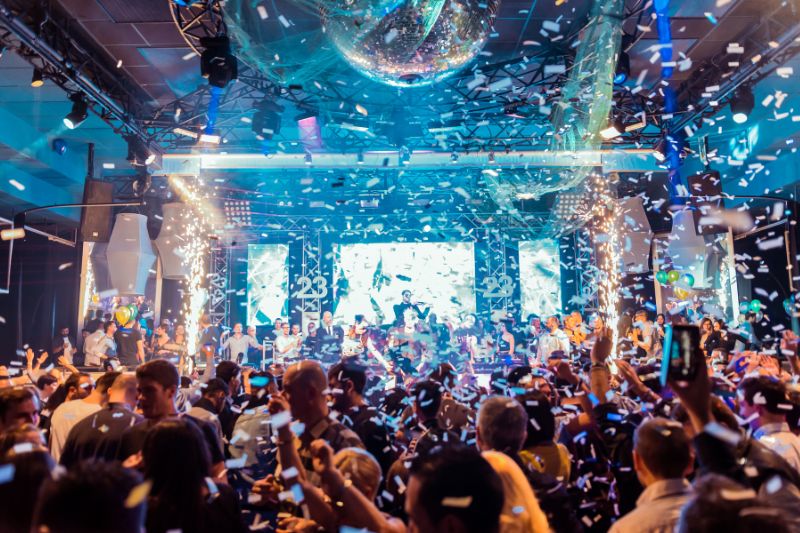
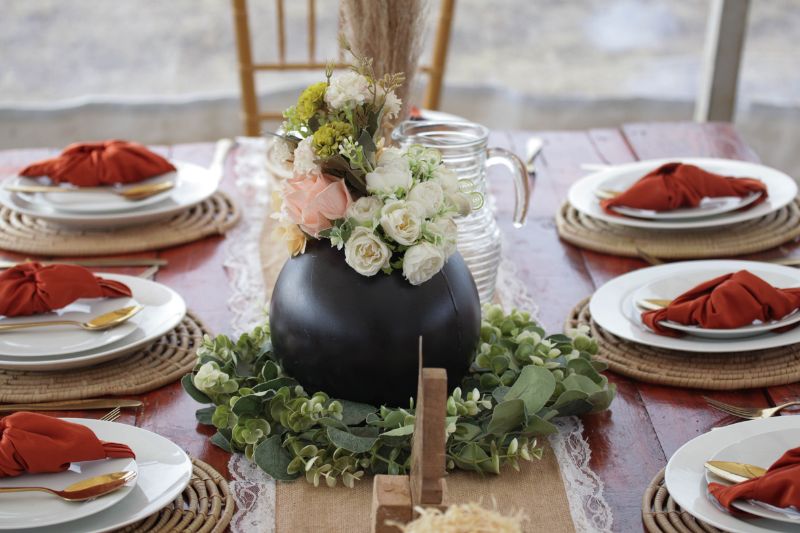
Have you ever been in a conference hall stacked with lecterns, name badges and PowerPoint decks, built for a crowd that has never known life without a smartphone in its pocket? We have. The whole picture starts to feel out of step almost immediately. Gen Z and Millennials now make up the bulk of the professional workforce attending business events across Europe, and they have brought an entirely different rulebook along with them.
They want tangible proof of value, they need a very good reason to be there and they can spot a tired format within the first ten minutes. At Milanvenue, we have watched this shift happen from the front row, sourcing venues and building experiences for clients who used to ask for a nice hotel ballroom and now ask for something they cannot get anywhere else.
The first rule of business events for Millennials and GenZ: real over polished
Eventbrite's 2026 Social Study calls it the reset to real, and honestly, the name fits rather well. Younger attendees have grown tired of curated feeds and rehearsed keynotes: they crave gatherings that feel unscripted, even a little messy round the edges. Nearly a quarter of 18 to 29 year olds report feeling lonely and the vast majority still plan to attend more events this year than last. That makes fair sense: people are choosing events on purpose, expecting value and specific outcomes, rather than out of sheer habit. For corporate event organisers, this changes the brief substantially. A polished agenda alone will not hold anyone's attention any more, because delegates are grading the room on how genuine it feels rather than on how efficiently it runs.
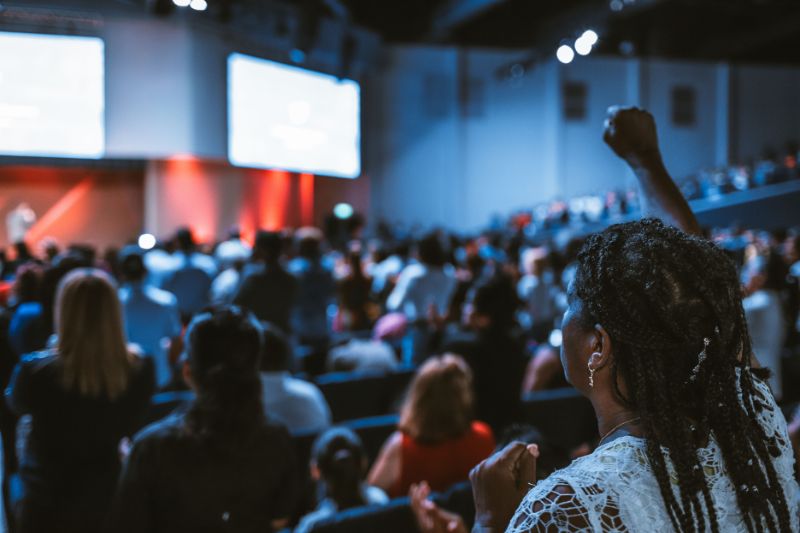
Fourth spaces and the death of forced networking
Interest first, business card second: that is roughly how younger professionals now approach a room full of strangers. Culinary workshops, run clubs, cosplay meet-ups and even board game nights have overtaken generic mixers as the format of choice, and the data backs this up handsomely. Food-driven gatherings have grown by 35 percent, while sober-curious meet-ups have jumped by 92 percent among the under-35 crowd. Translate that into the world of corporate events and the message becomes clear enough. Break-out sessions built around shared passions, rather than shared job titles, tend to produce stronger, more authentic and meaningful connections. Eighty-four percent of attendees at interest-based gatherings report forming close friendships through them, a figure most HR departments would frankly love to bottle.
The venue is doing the heavy lifting for your event
Choosing a rooftop over a windowless ballroom used to be a nice-to-have. It has become the whole pitch, essentially. Younger attendees are 44 percent more likely to spend money attending an event if the venue itself feels unusual or surprising. At Milanvenue, we spend a fair chunk of our working life hunting down spaces with a pulse: converted palazzi, rooftop terraces with a skyline view, disused industrial halls, and quirky courtyard gardens with character to spare. None of this is decoration purely for its own sake. A location that tells its own story gives delegates something to talk about, and that conversation is the value attendees keep talking about.
Structured surprise, not chaos: event planning still has a major part to play
Spontaneity sounds wonderful until the logistics fall apart, and here lies the real skill for anyone organising business events today. Roughly eight in ten young professionals say they value the unexpected, yet over half admit they still need solid, detailed planning to feel confident showing up at all. The trick sits somewhere in the middle, then: a framework robust enough to run smoothly, with enough breathing room inside it for a genuine surprise or two. Think a hidden acoustic set slipped in after dinner, or an artist showing up to paint portraits of the attendees.
Purpose, wellbeing and the return of the body
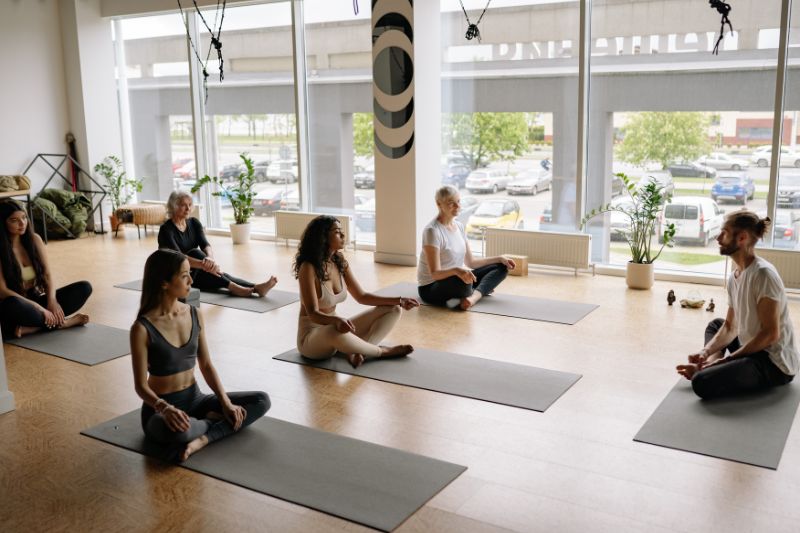
Deloitte's most recent global survey of Gen Z and Millennials points to a workforce prioritising wellbeing and a sustainable pace over rapid advancement, and this preference travels straight into how people experience events too. Morning yoga before the first session and quiet rooms tucked away from the noise now count among the baseline expectations for many younger attendees, particularly those who have grown fluent in setting boundaries around their own energy. Corporate event planning that overlooks this risks feeling tone-deaf rather quickly, however impressive the AV budget might be.
None of this means throwing away everything that has worked for decades in the events industry. Plenty of the fundamentals, tight logistics and a genuinely useful agenda among them, still matter enormously and will keep on mattering. What has shifted is the standard attendees hold everything else against. Corporate events built with curiosity, a touch of unpredictability and real human contact at their centre will keep winning attention long after the trend pieces move on to whatever comes next. At Milanvenue, we like to think that is simply good event planning wearing a fresher coat of paint, and we are rather enjoying watching the rest of the industry catch up.