Few countries carry the weight of beauty quite like Italy. Millennia of civilisation layered over extraordinary landscapes, from the Dolomites to the Mediterranean coast, from alpine meadows to volcanic islands, have produced a destination that seems almost purpose-built for meaningful experiences.
And as event planners worldwide recalibrate their priorities around environmental responsibility, Italy is stepping forward as one of Europe's most compelling arenas for sustainable event management.
A landscape that does the work for you, making your corporate events both sustainable and unique
The natural environment is an active participant of any corporate event in Italy. The country's 25 national parks cover over 16,000 square kilometres, approximately 5.3% of national territory, protecting ecosystems of naturalistic, scientific, cultural, and recreational value. Add to this the country's unmatched UNESCO portfolio: Italy holds 61 World Heritage Sites, more than any other country on earth. For event organisers, this translates into a ready-made infrastructure of protected, visually stunning settings that require minimal artificial enhancement.
South Tyrol in Trentino-Alto Adige leads among Italy's regions for sustainable tourism initiatives, its alpine landscapes and verdant valleys lending themselves naturally to low-impact gatherings. Meanwhile, Maremma in Tuscany showcases vast stretches of untouched natural beauty, with numerous protected areas and long-standing commitments to conserving its rich flora and fauna. Such places lend corporate gatherings a grounded quality that no urban setting could hope to match, however luxirious the meeting room, however sophisticated the catering.
Team experiences rooted in the land
Italy's rural fabric is perhaps its most underappreciated asset for incentive travel and sustainable team experiences. Agriturismo, the uniquely Italian fusion of agriculture and tourism, offers a wide range of activities from vineyard visits and truffle hunting to organic farming and cooking classes. Groups can genuinely work with the land, not simply observe it.
Across Sicily, working citrus and olive estates run on organic principles that predate any modern sustainability trend by generations. Delegates walk paths edged with wild fennel, myrtle, and medicinal herbs that locals have harvested for centuries, occasionally joined by the estate's own farmers, who talk about the land with the ease of people who genuinely know it. Tuscany offers something similarly unhurried: properties set among vineyards and sunflower fields where a morning might move from a foraging walk with a local guide to a long outdoor lunch built entirely around what the kitchen garden produced that week. Not a curated itinerary. A rhythm.
These experiences land differently from conventional team activities. There is something about working with soil, or learning to identify a plant by its scent, that strips away the usual professional performance and leaves people simply present. For sustainability-minded organisations hoping to engage in meaningful activities, that is the point entirely.
Venues that take their green credentials seriously: this is where you should host your sustainable events
It would be easy to assume that "eco-friendly venue" is largely a branding exercise. In Italy, increasingly, it is not. The MICE sector has undergone a quiet but significant shift, with event organisers moving beyond recycled lanyards and paperless agendas toward genuinely systemic change: verified carbon offsetting, supply chains rooted in local and seasonal sourcing, building energy sourced from renewables, and event design that treats environmental impact as a brief, a core metric of success. Italy's venue landscape has responded in kind, and the country's alignment with European sustainability standards gives that response a credible framework rather than a loosely defined aspiration.
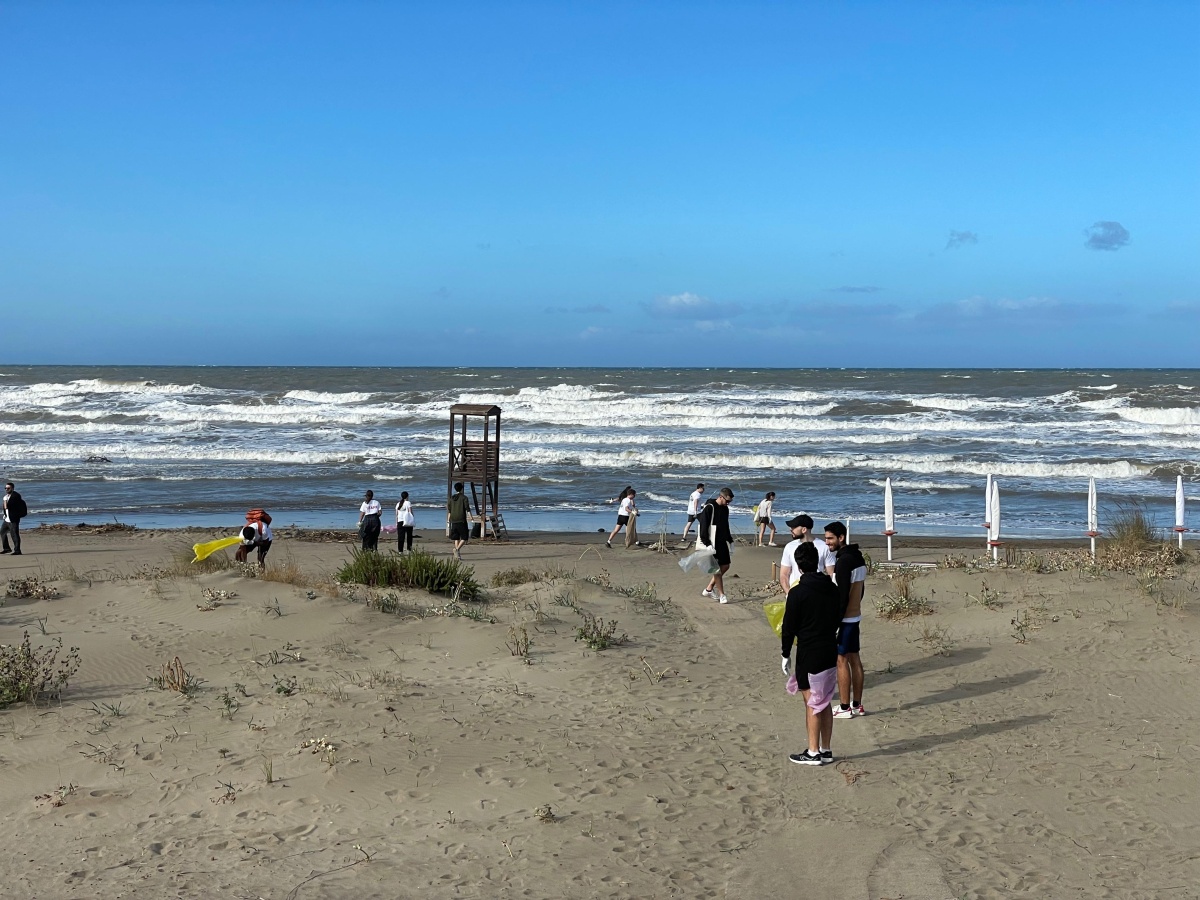
Certified properties throughout the country now offer meeting rooms equipped with energy-saving systems, green catering menus built around seasonal and local produce, and options to offset event emissions through verified sustainability projects. In areas such as Grosseto in Maremma and the foothills of Gran Sasso in Abruzzo, eco-resorts designed to blend into their surroundings operate on renewable energy, cultivate their own biodynamic produce, and integrate immersive nature experiences — guided wildlife watching, botanical hikes, glacial studies — directly into the event programme. The sustainability narrative here is embedded in operations, not bolted on for marketing purposes.
Italy's MICE position: strength meets responsibility
None of this matters in isolation. What gives Italy's green offering real weight is the scale at which it operates. According to the latest ICCA ranking, Italy is ranked second in the world and first in Europe among countries hosting international congresses. Italy is hosting increasing numbers of international congresses, conventions, and corporate events, reinforcing its role as a global meeting destination.

Pair these natural and experiential assets with Italy's world-class gastronomy — a UNESCO-recognised culinary heritage that significantly enhances the appeal of business events and incentive programmes — and a picture emerges of a destination that satisfies every dimension of a meaningful, responsible event.
HTMLTEXT_BLOG-CTA-T:CONTENT NOT FOUND
Italy, sustainably yours
The country's landscapes, its living farms, its certified venues, and its extraordinary biodiversity together create an event ecosystem of rare coherence. Choosing Italy for sustainable event management is, ultimately, a statement of intent. It says that the setting matters, that the experience should leave something valuable behind, and that beauty and responsibility belong in the same sentence.