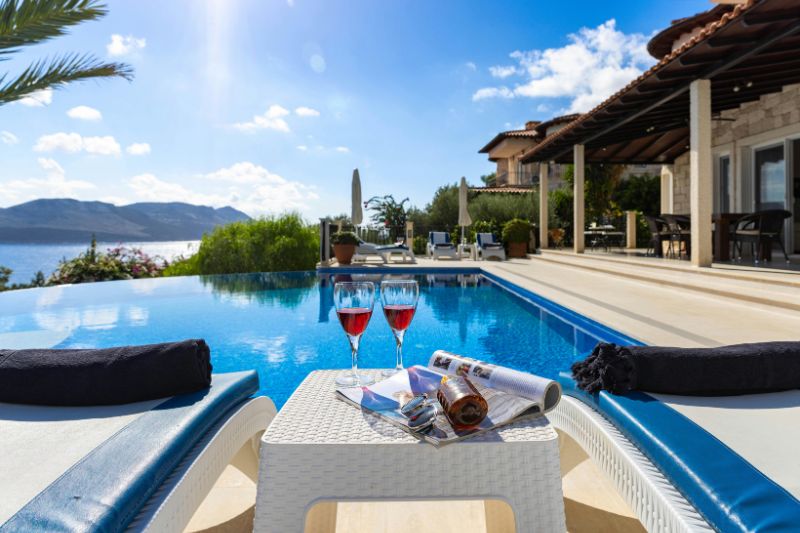
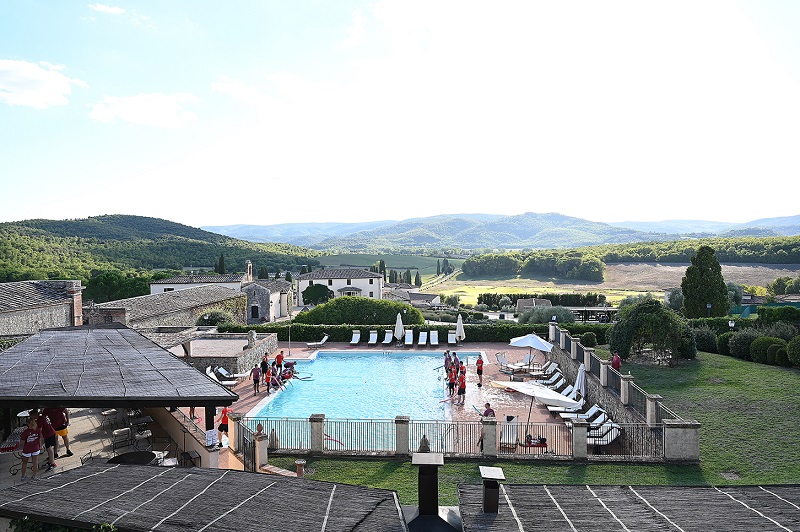
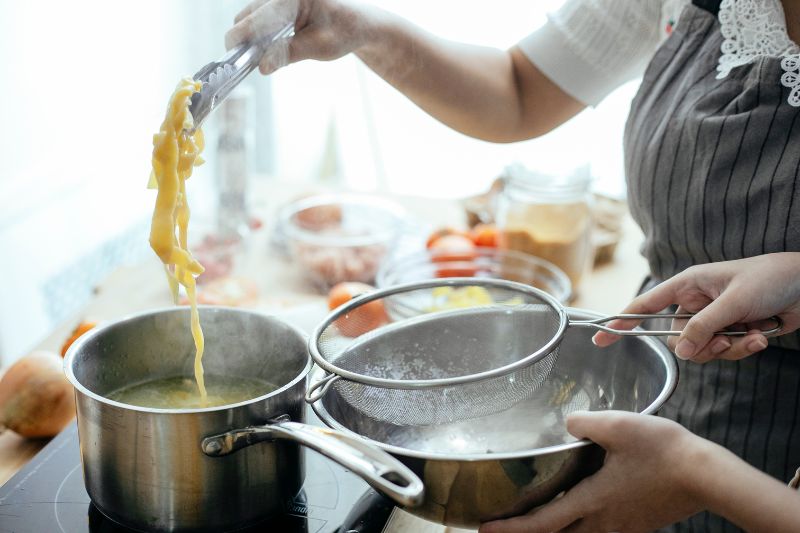
There's something rather special about gathering colleagues around a table and discuss the respective merits of Nebbiolo and Sangiovese, and experience centuries-old viticultural traditions and Italian being poured into modern crystal. And we know that, when it comes to wine tasting, Milan is the place to be.
Corporate events needn't always follow the predictable script of conference rooms and PowerPoint slides. Sometimes the most productive conversations happen when people's guards drop slightly, when a sommelier guides them through the notes of a Franciacorta, when foreign guests discover that Italy's relationship with wine runs deeper than mere beverage: it's storytelling, geography, and heritage swirled together.
Why Milan positions itself as the gateway to Italy's wine culture
The Lombard capital sits strategically nestled between some of the peninsula's most distinguished wine territories, which are located in northern Italy: Franciacorta, Oltrepò Pavese, and even the Langhe or Monferrato lie within easy reach, making Wine tasting Milan experiences particularly compelling for corporate groups with limited time. But here's what sets these encounters apart from standard team-building exercises: they're not manufactured experiences. They're authentic.
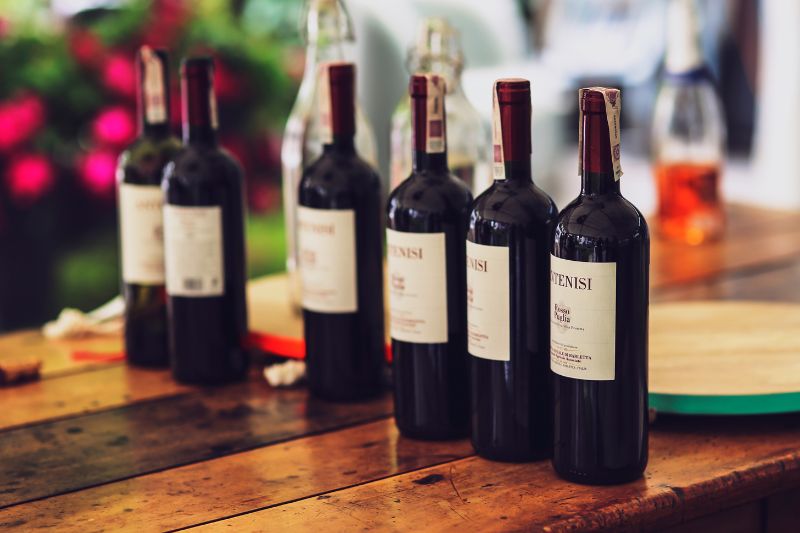
Did you know that Italy boasts the widest variety of grapevine varieties globally? We are talking of over 350 officially documented grapes—and that's only counting the authorised ones. Rumours suggest over 2,000 different Italian grapes exist across the country's diverse terroir. This staggering biodiversity means that whether your guests prefer crisp whites, robust reds, or that peculiar middle ground where rosé lives, Italy delivers options that satisfy remarkably varied palates. Foreign visitors particularly appreciate this range, this abundance of choice that reflects the nation's complex geography and microclimate variations.
Crafting incentive experiences that actually feel worth the trip
Corporate hospitality has shifted quite a bit. A half-decent dinner no longer cuts it for jet-lagged clients or teams meeting after months of staring at screens. Companies poke around for ways to let executives unwind between briefings, and lavish, food-and-wine-heavy diversions are catching on quickly. Wine tasting Milan events fit this trend neatly, slipping learning into the mix without making anyone feel like they're back at school. Some experiences are enhanced with interactive team-building activities.
The whole setup varies wildly. A cellar tour with tasting might be as affordable as a museum visit or as costly as a private jet flight, depending on the vintages you are hoping to access. The figure isn’t the real story—it’s the care poured into choosing the bottles. A good tasting becomes a small journey across Italy: a Barolo from Piedmont’s misty hills, a Chianti Classico grown in Tuscany’s scorched vineyards, a zingy Verdicchio born near the Marche coastline. A glass, then another, and suddenly people start talking. Each glass tells a story about soil composition, altitude, the winemaker's philosophy, the harvest season's peculiarities.
Italy accounts for over 19% of global wine production, producing approximately 49.8 million hectolitres annually, which positions the Belpaese not merely as a producer but as a custodian of viticultural heritage stretching back millennia. When foreign guests participate in Wine tasting Milan sessions, they're not just sampling beverages—they're accessing traditions that predate the Roman Empire, techniques refined through countless harvests, knowledge passed from generation to generation.
Wine tasting Milan - a cultural journey
We believe wine tasting should create engagement by leveraging the prestige and charm of Italian vintages, transforming what might otherwise be awkward networking into genuine human connection. Blind tastings, in particular, level the playing field beautifully. The CEO doesn't automatically know more than the junior analyst when both are blindfolded, attempting to distinguish between a Montepulciano d'Abruzzo and a Primitivo di Manduria based solely on aroma and flavour profiles.
This democratisation of experience—coupled with the convivial atmosphere that wine naturally fosters—creates conditions for authentic interaction. Colleagues see each other differently when they're laughing together over a hilariously wrong guess about a wine's origin, or when someone from marketing surprises everyone with unexpectedly refined sensory perception.
For international participants especially, these moments provide windows into Italian culture that glossy brochures and guided tours cannot quite capture. From the misty, lush rolling hills of the north to the sun-drenched territories of Tuscany, Umbria, and beyond to southern lands of Puglia and the islands of Sicily and Sardinia, Italy's array encompasses huge diversity in wines, regions, and styles. Understanding this geographical spread through tasting—feeling how a Sicilian Nero d'Avola's warmth differs from a Trentino Lagrein's alpine crispness—teaches cultural lessons no presentation slide could manage.
Practical considerations for organisers seeking memorable corporate events
We offer wine tasting and training courses to companies, including basic or intensive options, courses for sales forces, and specialised programmes for the wine sector and hospitality world, as well as luxury experiences meant purely for your team's enjoyment. The infrastructure exists. What matters is matching the format to your specific objectives. Team-building? Perhaps competitive blind tasting where small groups compete. Client entertainment? Might lean towards more relaxed, food-paired experiences where conversation flows as freely as the wine itself.
Logistics matter, naturally. We always seek out strategically located venues in Milan, to fit the city's classy style and dynamic atmosphere and provide companies with the best wine tasting Milan can offer. Such spaces are made to match corporate needs and offer reliable scheduling, professional service, and appropriate ambience, whilst maintaining that ineffable Italian quality where formality and warmth somehow coexist comfortably.
The presence of qualified sommeliers cannot be overstated: they mark the difference between "drinks with your mates" and a proper wine tasting experience. Professional sommeliers are available in English, German, French, Spanish, Chinese, and Japanese, ensuring that language barriers don't prevent guests from fully appreciating the experience. These experts do more than recite technical specifications; the best ones weave narratives, contextualise wines within broader cultural frameworks, make ancient traditions feel immediately relevant.
Beyond the glass: relationship building through wine tasting in Milan
What transforms a pleasant afternoon into a genuinely memorable corporate event? Often it's the unexpected moments that come with sharing a sensory experience, such as discovering that the quiet colleague has an encyclopaedic knowledge of Italian wine regions, watching the normally reserved team members animated whilst debating whether a particular vintage expresses more cherry or plum notes, seeing international partners visibly relax as they realise that not every business interaction demands rigid formality. In Milan, multiple stores and enoteche open their doors for masterclasses, tastings, and special dining events. Timing corporate visits to coincide with such festivals amplifies the experience, immersing guests not just in organised tastings but in a city collectively celebrating its oenological heritage. The streets buzz differently during wine week. Even casual conversations in cafés turn towards terroir and tannins.
The biodiversity of Italian wine production means that every palate finds satisfaction. Someone preferring lighter, more delicate flavours might gravitate towards Friuli's elegant whites or Valtellina's refined Nebbiolo expressions. Those seeking bold, structured wines will probably go for vintage such as Amarone della Valpolicella or aged Brunello di Montalcino. And that person who insists they "don't really like wine"? Even they might discover their perspective shifts, once they try the right Italian variety, such as a gently fizzy Lambrusco or a honeyed Moscato d'Asti.
Bringing Italy's essence into the corporate mix
Wine tasting Milan works because it hits several notes at once. It entertains. It teaches things without feeling preachy. It helps people open up. It leaves behind stories that linger long after the glasses are cleared. Months later, colleagues still mention that afternoon when someone nailed the Barolo blindfolded, or the night the delegation from Tokyo sat speechless after tasting wines born from Sicilian volcanic soils.
Italy’s wine culture didn’t appear out of thin air. It grew over thousands of years, survived battles, pests, odd weather patterns and still tastes like history poured into a glass. Events built around this heritage do something quietly impressive: they turn routine business appointments into cultural moments, networking into something close to camaraderie, and scheduled activities into memories people actually enjoy revisiting.
This isn't about abandoning professionalism or turning serious business gatherings into parties. Rather, it's recognising that the most productive professional relationships often develop when people connect as humans first, colleagues second. And if that connection happens over glasses of Brunello whilst a sommelier explains how Sangiovese grapes absorb the essence of Montalcino's soil? Well, there are considerably worse contexts for building business relationships.
The next time you're planning something for international visitors, remote team members converging on headquarters, or simply seeking to reward your sales division with an experience they'll actually remember, consider what wine tasting Milan has to offer. Not just beverages in glasses. But centuries of tradition, geographical diversity concentrated into sensory experience, and the peculiarly Italian gift for making strangers feel like guests at a family table. That's rather difficult to replicate in a standard conference room.