Temporary retail has quietly become one of the shrewdest moves in modern brand strategy. Not a stopgap. Not a compromise. A deliberate, high-impact format that even the largest names in fashion, tech, and beauty have embraced with remarkable enthusiasm.
The global pop-up retail market reached $95 billion in 2025, according to research by GII, driven by consumer demand for experiential marketing and the expansion of direct-to-consumer brands into physical spaces. That figure should give pause to anyone still dismissing pop up shops as a niche tactic.
The appeal is not accidental. Retail pop ups offer something a permanent flagship simply cannot: urgency. The knowledge that a space exists only for a finite time compels people to visit, share, and buy in ways that even the most lavishly designed boutique rarely achieves year-round.
What makes a pop-up space, and why it matters
Before scouting locations, it pays to understand the spatial logic underpinning successful retail pop ups. A pop-up space is, at its most elemental, a short-term retail environment configured to serve a specific commercial or experiential purpose. Its power lies precisely in its temporariness: the setting communicates exclusivity, the condensed timeframe sharpens focus, and the relatively modest footprint keeps overheads contained.
Pop up shops tend to come with fewer financial commitments than permanent stores, with 44% of retailers surveyed spending less than $5,000 on their pop-up space, according to a Storefront survey. That flexibility is, for many brands, the entire point. A concept can be tested, a product launched, or a new market probed without signing away three years of commercial lease. And when it works — 80% of retailers who opened a pop-up shop considered it a success, with nearly 60% planning to open another.
The functional logic varies by format. A vacant storefront gives total creative control. A concession within a department store delivers inherited foot traffic. A market stall at a curated event reaches a self-selecting audience of potential devotees. Each space type serves a different strategic brief, and choosing wrongly is expensive in ways beyond the obvious.

The main locations: a guide to space types
Vacant storefronts and short-term retail units. The classic pop-up space. An empty commercial unit, often in a prime location whose landlord would rather generate income than let the property stand idle. Retail vacancies are at a seven-year high, and short-term space rental marketplaces like Appear Here and Storefront have made it straightforward for landlords and tenants to find each other, with major mall operators now offering flexible leasing terms that would have been unthinkable some years ago. This format suits brands seeking full narrative control — the space becomes an extension of the brand identity itself, decorated and fitted out from scratch.
Shopping malls and kiosks. Malls remain formidable for one simple reason: they are already full of people who have come to spend money. The built-in foot traffic offers an immediate flow of customers, making malls ideal for brands looking to showcase products to a broad, diverse audience without investing in independent marketing to drive visitors through the door. Kiosks within malls allow even smaller brands to claim a presence in premium retail environments at a fraction of standalone lease costs.
Event spaces, festivals, and markets. Pop-ups can be hosted in unique venues such as event spaces, farmers' markets, and festivals, where a self-selected audience gathers to discover new things. The built-in atmosphere of a well-curated market or cultural festival lends credibility and warmth to a brand — without the clinical detachment that can plague white-box retail spaces. The audience at a design fair or artisan market is already curious, already receptive.
Concessions within existing retail. Tucking a pop-up shop inside a larger, established retailer is a particularly astute move for emerging brands. The host retailer's customer trust transfers, at least partially, to the guest. It is a format that has been embraced with great success across European fashion capitals. Department stores actively seek out interesting pop-up tenants as a way of refreshing their floors and drawing in new visitors.
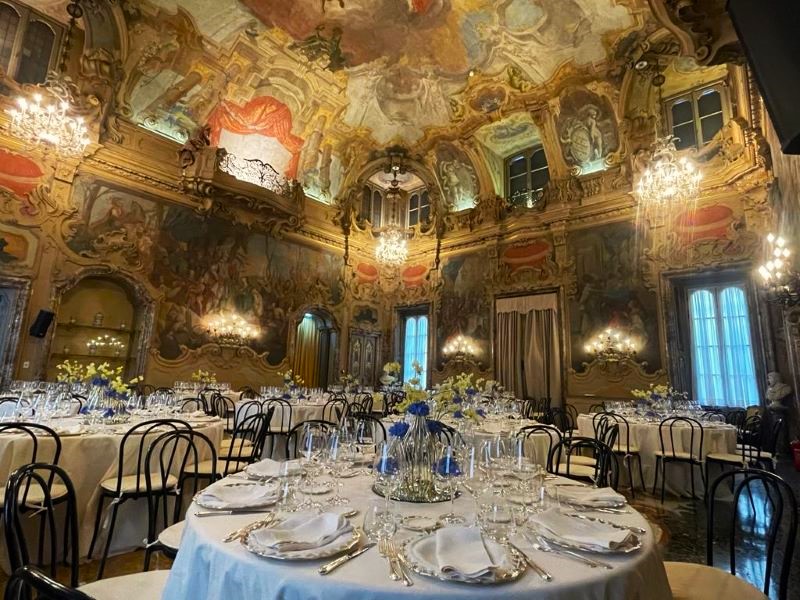
Non-traditional and mobile spaces. Shipping containers, converted vehicles, industrial warehouses, and historic palazzos. The importance of selecting a space that complements the brand extends even to a 40-foot corrugated shipping container or an urban alleyway. Some of the most memorable retail pop ups have been those that weaponised the unexpected nature of their setting — the contrast between a luxury brand and a raw industrial space, for instance, can itself become the story.

Milan: where pop-up culture meets fashion prestige
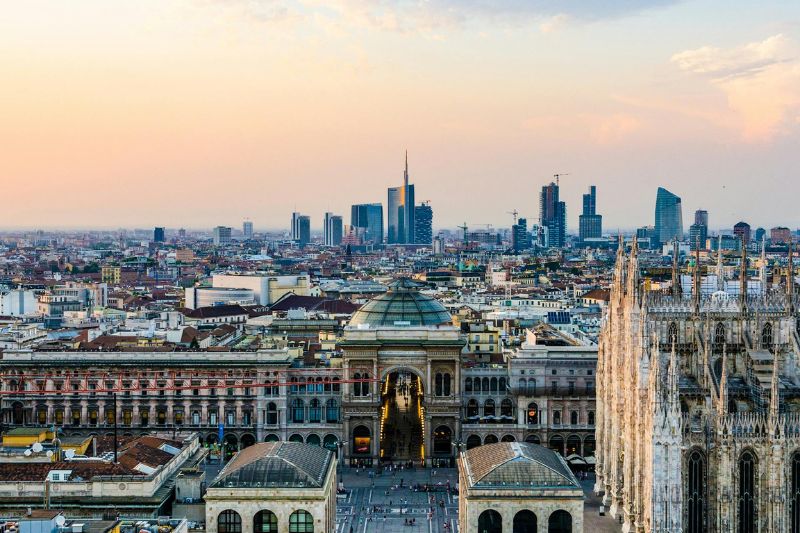
Few cities offer the concentrated brand opportunity of Milan. For retail pop ups aiming at the European luxury and design market, a pop up store Milan represents something closer to a statement of intent than a mere sales exercise. Milan is one of Europe's most influential retail cities, attracting international brands, fashion-led concepts, and emerging designers looking for short-term retail opportunities. Popular areas include San Babila, Porta Venezia, Tortona, Navigli, and Brera, each attracting different audiences and offering distinct retail environments.
The Tortona district, an old industrial area that has retained its underground character, attracts brands particularly during the Salone del Mobile. Brera, with its small historic streets and museum heritage, suits fashion, jewellery, and design concepts seeking an atmosphere of considered refinement. San Babila, meanwhile, sits at the heart of Milan's fashion district and is ideal for high-visibility launches.
K-beauty brand Yepoda, for instance, opened a pop up store Milan at the iconic Milano Centrale, offering visitors a curated selection of skincare products in a unique offline setting — a deliberate move to strengthen the brand's presence in Italy as a key European market. The city's calendar of fashion weeks, design fairs, and cultural events creates a rhythm of peak moments when a well-positioned pop-up store in Milan can achieve extraordinary visibility.
Turning a temporary space into lasting brand equity
The most sophisticated brands understand that a pop-up shop is not merely a short-term revenue event. It is a data collection exercise, a PR opportunity, a proof-of-concept test, and a community-building moment, all at once. In-person shopping remains attractive to most consumers, and pop-ups encourage cross-channel shopping behaviour — purchases may happen online, but inspiration still comes from a mix of digital and physical touchpoints.
The physical encounter a customer has in a beautifully considered pop-up space creates a memory, a story worth sharing. That story travels. And a brand associated with a surprising, immersive, or genuinely pleasurable retail pop-up experience accrues something no advertising budget can simply purchase: earned affinity.
For brands serious about growth, the question is no longer whether to invest in pop up shops. It is where, when, and with what degree of creative ambition. The answers, in cities like Milan and beyond, are more accessible than they have ever been.