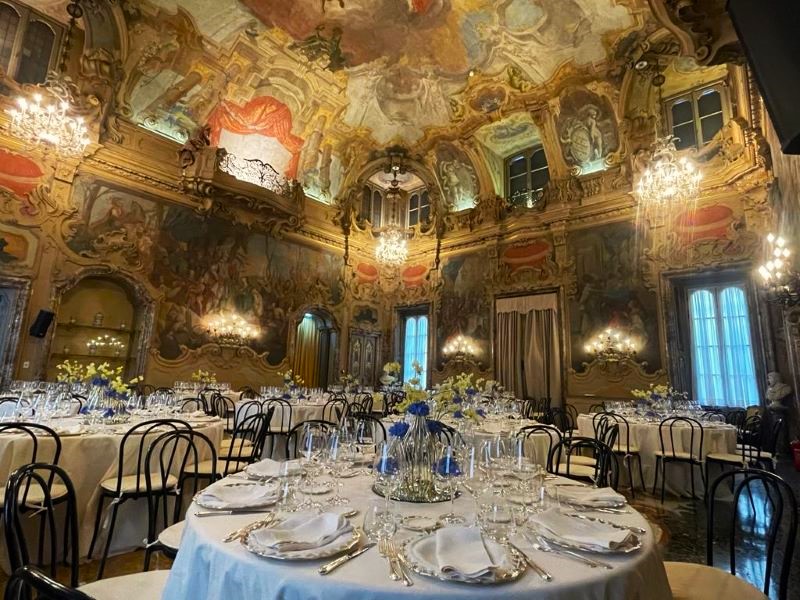
A venue can be breathtaking and still ruin your event. That's the uncomfortable truth nobody puts on the mood board when scouting locations for a big corporate gathering in Milan. Frescoed ceilings look glorious on a site-visit photo and largely irrelevant once the loading bay turns out to be three flights of stairs from the ballroom. Aesthetics matter, obviously, and nobody in this business would ever claim otherwise. They're simply one line on a much longer list, and rarely the line that decides whether the event actually comes together on the day.
At Milanvenue, we've watched gorgeous venues wobble under pressure because nobody checked how the vendor crew gets a catering van through a door that was built for horse-drawn carriages. So here's our pitch, delivered with the affection of people who genuinely love a beautiful room: weigh the structural, practical bones of a location first, and let the good looks earn their applause afterwards. Think of the looks as the host of a beloved tv show: they enthral and charm the audience, they receive a standing ovation and shine at press conferences. Every other item on the checklist is that same show's production team: without them, the host would be sitting alone in a dark studio and delivering monologues to rows of empty seats.
What happens before your guests ever see the room
Nobody applauds a smooth loading dock, and everyone remembers the delivery van stuck at a courtyard gate built for something narrower than a modern truck. Or, worse, the flight-case that smashed down a steep flight of stairs, because the renaissance era building you chose had no elevator. Set-up windows matter enormously to whether a crew finishes on time. Supplier access matters just as much, and both stay completely invisible to the people sipping Prosecco at seven that evening.

Technical areas need proper thought too, well before anyone reaches for the paint swatches. The lighting desk needs a sensible home, and cabling needs a route that won't catch the heel of a guest crossing the room mid-toast. A genuine backstage matters more than people assume, and a corridor with a curtain strung across it simply doesn't cut it. Get this wrong and the flaw surfaces mid-event, in front of the very clients you were trying to impress. Get it right and nobody notices a thing, which, frankly, is the whole point of good production.
The checklist we actually run, before we even think about décor
Here's how Milanvenue works, and we'd genuinely recommend the same method to anyone sourcing a venue on their own. We start by gathering hard technical data on every option in the area under consideration, beginning with realistic capacity rather than the legal-squeeze number printed in the brochure. We note whether the space offers indoor and outdoor areas, and we insist on a workable wet-weather switch plan that doesn't involve a tarpaulin and a prayer.
We ask about catering arrangements and whether external vendors are welcome to bring their own suppliers. The parking situation gets checked too, alongside public transport links, since plenty of attendees in a city like Milan will simply hop on the metro. Accessibility for people with motor disabilities is non-negotiable, and so is a proper conversation about what other access needs the venue can genuinely support. Sustainability practices earn a mention on our list too, and so does the calibre of the tech kit for video and audio. On-site points of contact get checked, so that we know who will be available at all times to fix last-minute snags and what their level of responsibility and accountability is.

Only once every venue missing a required feature has been crossed off do we let ourselves care about how the place looks. That order matters more than most planners realise until it's too late. Falling for a gorgeous courtyard before checking the basics is how planners end up loving a venue that cannot do the job.
Where charm earns its place back: your event venue still needs to be stunning
Once the operational boxes are ticked, this is where it gets properly fun, because Milan genuinely does not run short of stunning options. Outdoor venues bring a lightness that indoor spaces struggle to match, provided the switch plan for rain has already been confirmed. Garden venues offer that particular Italian trick of making a business event feel like a summer evening with old friends, which is precisely the sort of warmth clients remember years later.
Historic houses turned event venues carry a gravitas that no amount of modern lighting design can fake, and industrial venues, with their raw brick and soaring ceilings, give a completely different energy for a brand launch or product reveal. Sustainable venues are shifting from a nice-to-have to something clients actively request, and rightly so. Each of these categories becomes genuinely worth booking once the technical checklist has already been cleared, standing as the reward for doing that work properly.
Business events play by their own rules
Corporate events carry specific pressures, as usually more than entertainment hangs in the balance. Networking flow needs breathing room, and coat check needs to move fast for people arriving straight from back-to-back meetings. Wi-Fi needs to actually hold up when three hundred phones connect at once, which is a detail plenty of gorgeous venues fail badly. A location chosen purely for its looks tends to buckle under exactly these demands, because looks were never designed to carry that particular weight.
That's precisely why Milanvenue treats venue sourcing as a discipline, built on hard data and harder questions to venue managers, because finding perfect venues for perfect events is our core business. We've made every mistake in the book already, so our clients don't have to.
The perfect venue keeps the organiser calm backstage, from load-in to the final guest leaving, while still looking every bit as good as the gasp-worthy option on the shortlist. Aesthetics come last on our list for a reason: they're the easiest box to tick, and the least likely one to ruin your evening if the rest of the order gets respected first.