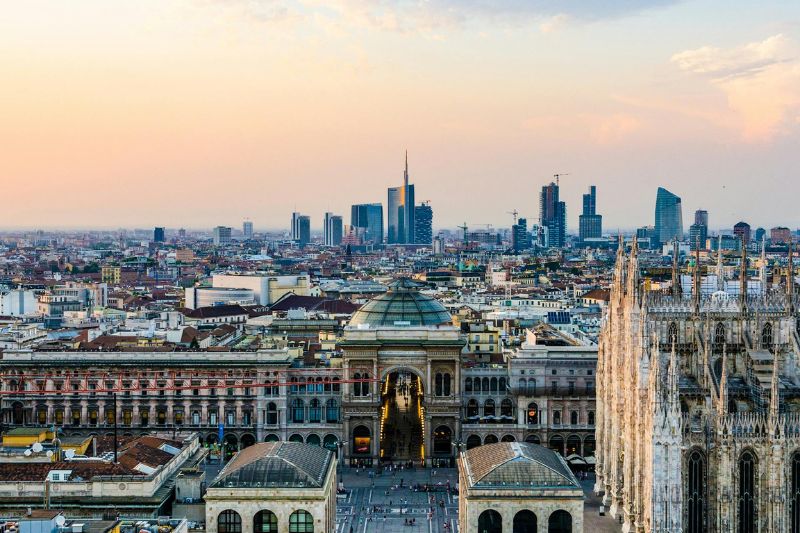
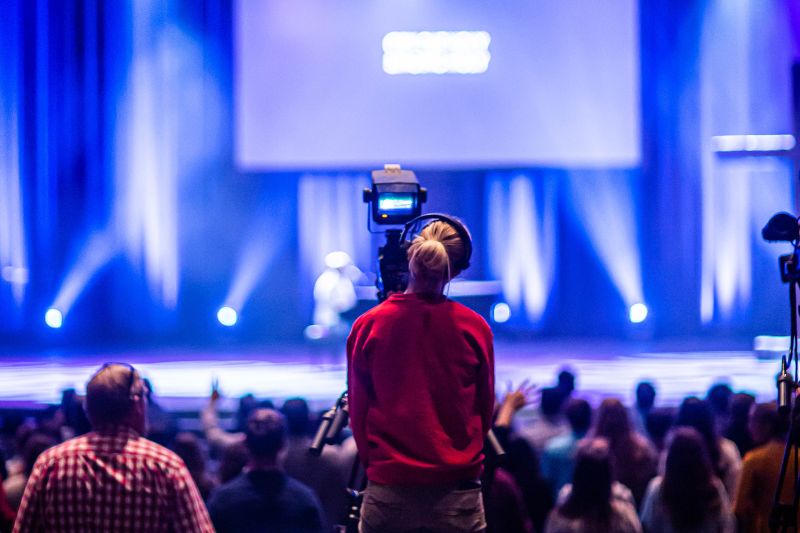
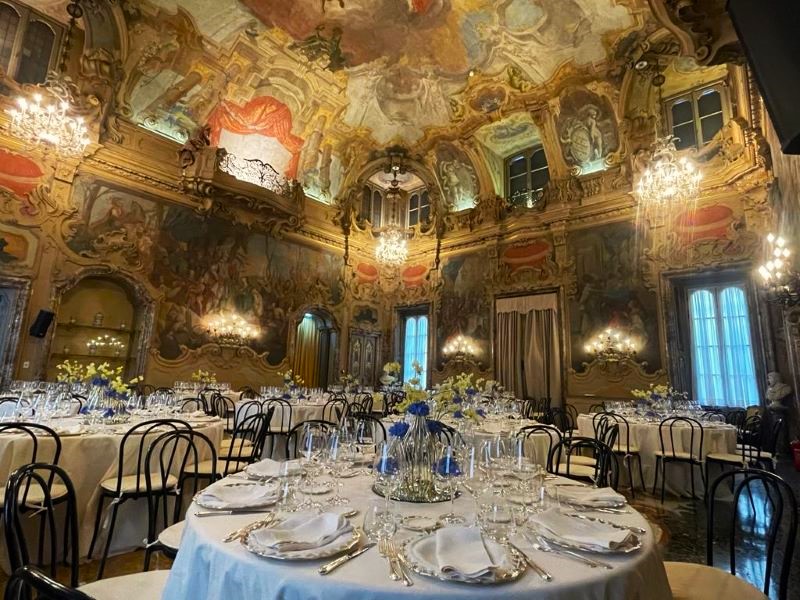
Choosing the right event venue can transform a standard meeting into something people actually remember. It’s surprising how much a location can shape mood, behaviour, and outcomes. We’ve seen quiet strategy sessions come alive just because the light was right, the chairs comfortable, and the coffee strong enough. When it comes to venue events, the space is never just a backdrop: it’s part of the experience.
Let’s explore how to choose venues that truly work for your team and your brand.
Define your objectives and select the right type of venue for your corporate events
Everything begins with clarity. First of all, clarify whether the event is a conference, a team meeting, a gala dinner or a product launch. That decision immediately guides your choice between conference centres, business hotels, prestigious buildings or more creative venues. Picking a formal ballroom for a small brainstorming session can feel unnecessarily stiff, while hosting an investor summit in a quirky loft might feel too casual. The atmosphere must match the event’s tone and purpose.
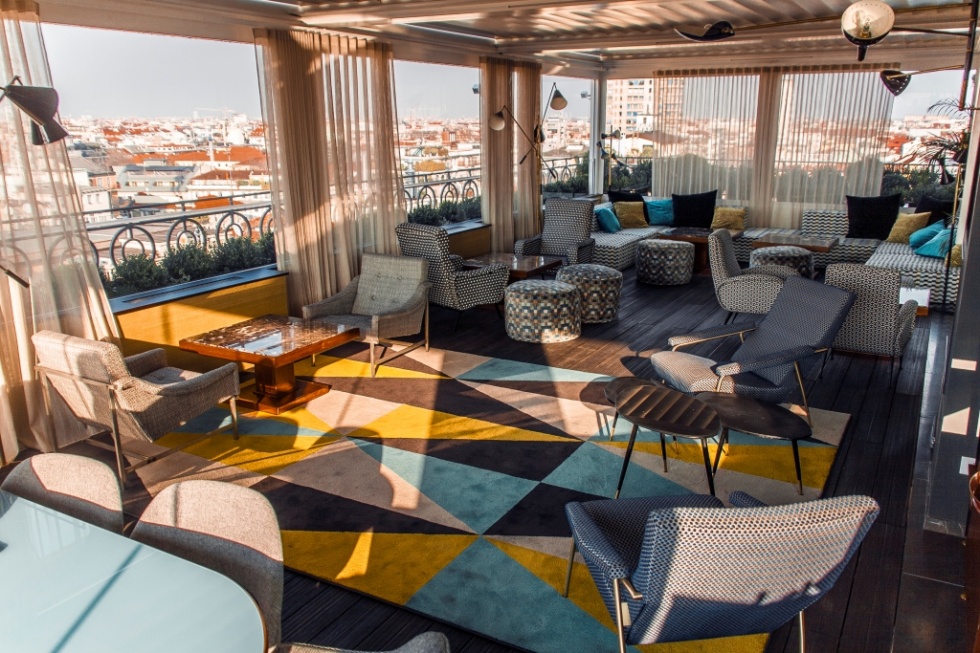
Once the type is clear, narrow your options to those venue event spaces that naturally fit your goals. A product launch might need height, staging, and perfect lighting. A gala wants ambience, service flow, and sound control. A leadership retreat benefits from private areas and breakout rooms where people can actually talk. Always let the event’s core intention guide every choice: scale, structure, and aesthetic.
Assess capacity, flexibility and flow: what your event venue needs to deliver
Capacity that feels right
The venue must comfortably accommodate all participants, not just on paper but in practice. Pay attention to the floor plan, walkways, and seating options. It’s not about cramming chairs into a hall. It’s about creating balance, offering enough space for conversation, for movement, for air. Picture where people will queue, where they’ll grab coffee, where they’ll stop to talk. The experience of movement matters as much as the size of the room.
Flexibility and modular layouts
Flexibility can make or break a corporate event. A smart event venue lets you adapt the layout as the day unfolds. Moveable partitions, reconfigurable seating, and separate rooms for networking or press interviews give you creative freedom. A space that shifts with your agenda saves you time and stress later. Venues that offer modular setups are often the most cost-effective in the long run because you can tailor them to each session instead of compromising. They also tend to be easier to adapt to your brand or company's personality, value, and style, whereas venues that come with their own well-known history and tradition, such as historic mansions or reconverted institutional buildings, will add prestige to your event, but generally offer less leeway when it comes to customising your overall presentation.
Consider accessibility, transport and logistics
Accessibility might sound dull but it’s what keeps everything running smoothly. Regardless of the type of venue events work best if guests arrive relaxed, not frazzled from a long commute. Proximity to airports, train stations or reliable public transport is crucial. Parking options and shuttle services also matter: a location that’s hard to reach can quietly reduce attendance and build frustration before the event even begins.
Logistics are equally vital. Check load-in routes for suppliers, the venue’s regulations on catering or technical equipment, and whether it has a dedicated events manager on-site. Some venues require you to use in-house partners for catering or AV services. That can simplify things, but make sure quality and pricing meet your expectations. If flexibility matters more, confirm that external vendors are allowed.
Analyse services, technology and amenities at your corporate event venues
Technology can either elevate an event or sabotage it quietly from the background. Check that your chosen event venue has reliable Wi-Fi, good acoustics, and the right power setup for AV systems. You don’t want to find out halfway through that the soundboard doesn’t support your presenter’s laptop. Ask about on-site technicians, backup equipment, and service response times. The smoother the behind-the-scenes operation, the more professional your event feels.
Also look into catering options, furniture, décor policies, and storage. Are chairs and tables included, or rented separately? Can you brand the space with your colours, screens, or signage? Is there a quiet area for speakers or guests to take calls? These small details often shape whether your event runs effortlessly or not.

Align the venue’s image with your brand
The final, often overlooked element is emotional alignment. The venue you select must reflect your brand’s personality. An industrial loft whispers innovation and creativity. A Renaissance villa speaks of heritage and prestige. A modern business hotel signals professionalism and reliability. Think of your venue as part of your brand storytelling — it should express who you are before anyone even steps onto the stage.
Look at the lighting, the façade, the flow of the interior. Everything communicates. Ask yourself how the space feels in photographs and videos, since these will carry your message beyond the event itself. If possible, visit at the same time of day as your event to see how light and sound behave. Bring your marketing or design team along; their perspective can be surprisingly useful when evaluating atmosphere and brand fit.
In the end, choosing a venue is about intuition as much as logistics. You’ll know when a space feels right. When it feels like your people belong there. And once that happens — the rest tends to fall into place naturally.