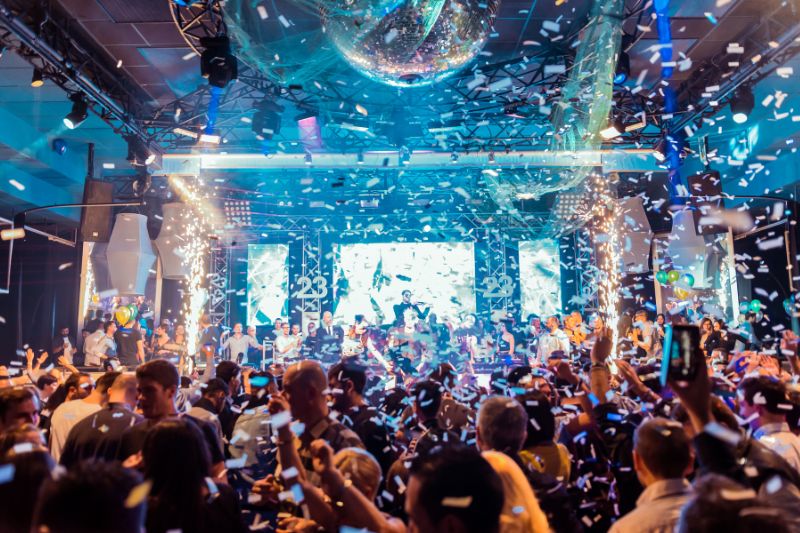
Northern Italy is about to transform. Not gradually, not quietly. The Milano Cortina 2026 Winter Olympics will reshape economic landscapes across Lombardy and Veneto in ways that extend decades beyond the closing ceremony—and businesses paying attention now stand to benefit most dramatically.
Think about it: 3,500 elite athletes, 90 nations, three billion viewers worldwide. But here's what matters for forward thinking enterprises. We're looking at €5.3 billion in total economic value, split across immediate spending, extended tourism revenue, and transformative infrastructure projects that'll serve the region for generations.
Let's talk numbers: what the Milano Cortina 2026 Winter Olympics mean for Italy
Recent analysis by Banca Ifis reveals something remarkable about this Milan Olympic event's financial architecture. €1.1 billion will flow through hospitality, retail, and transport during the Games themselves—but that's merely the opening act. Another €1.2 billion is projected within 12 to 18 months post event as international travellers return or extend stays throughout the alpine region.
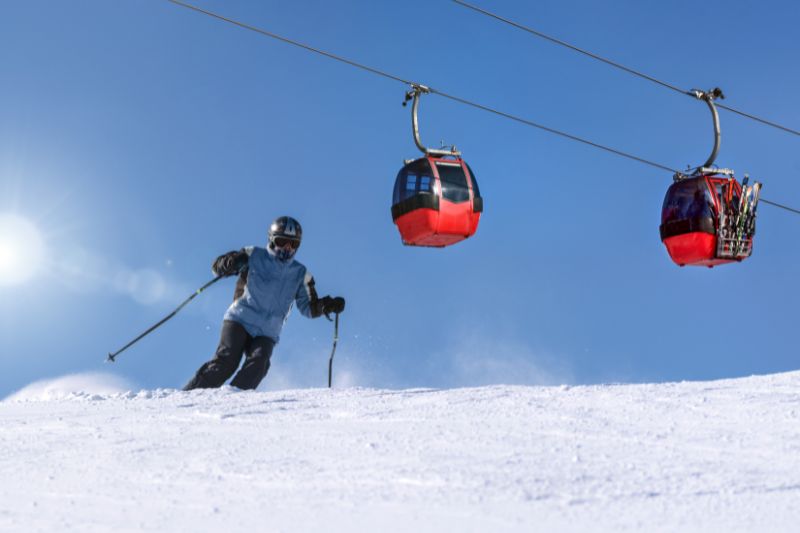
The real transformation will come in the form of a €3 billion infrastructure legacy creating year round tourism hubs where seasonal operations once dominated. Upgraded ski facilities. Sustainable transport networks keep threading their way across the region, and venues set for world championships long after the Olympic flame fades still feel almost unreal in their scale. 90 percent of Italians think Milano 2026 will leave something that lingers, especially in public works and the way people move around.
Small and medium enterprises sound less hopeful and more quietly certain. 95 percent of Northern Italian SMEs expect real economic lift from visiting crowds, smoother payment systems, and that subtle jolt of wider international attention.
Tourism surge meets digital acceleration: how Milano 2026 will reshape the market
Here's where opportunity crystallises for hospitality and retail sectors. We're discussing 2.5 million spectators with an average stay of 3.05 nights, but historical patterns from recent Olympic Games suggest the actual impact runs deeper. Data from Paris 2024 showed spending increases of 214 percent in Saint Étienne, 100 percent in Lille, and 38 percent in Marseille for cities hosting events outside the primary location.
Payment infrastructure evolves alongside this influx. Payment infrastructure and Visa's commitment to expanding contactless and EMV transit acceptance throughout Northern Italy doesn't just serve Olympic visitors—it permanently upgrades the digital commerce landscape for local businesses. The shift towards digital transactions, already accelerating post pandemic, gains tremendous momentum when millions of international visitors require seamless payment experiences.
Impact 2026, the social procurement programme connecting micro enterprises and SMEs to Olympic supply chains, is active facilitation of contracts, visibility, and commercial relationships that survive well beyond February 2026.
Brand visibility on an unprecedented scale for international companies
Three billion viewers. Let that sink in properly, slowly, the way big news sometimes needs a moment to settle. The Milano Cortina Olympics seems to give companies something that feels almost scarce now—a single, global crowd paying attention to the same cultural moment at the same time. Attention usually scatters across a dozen apps, yet Olympic sponsorship places brands right in the middle of a shared experience that billions end up watching together, almost like a modern campfire.
Corporate hospitality programmes then drift in and turn the Games into these unexpected meeting grounds where conversations stretch out, contacts appear almost by accident, and business development just… happens. Exclusive venue access, gala dinners alongside international decision makers, product launches against an Olympic backdrop—these aren't frivolous indulgences. They're strategic opportunities to forge partnerships whilst the world watches Northern Italy demonstrate organisational excellence.
Local businesses gain disproportionate advantages. Geographic proximity during a period of intense international focus creates organic visibility money struggles to buy otherwise. A boutique hotel in Cortina 2026, a speciality restaurant in Milan, artisan producers throughout the Dolomites—they'll serve clients they'd never reach through conventional marketing, building relationships that generate referrals and repeat visits for years afterwards.
Sustainability as competitive advantage
Perhaps surprisingly, the environmental commitment embedded throughout Milano Cortina 2026 creates commercial opportunities rather than constraints. Organisers have committed to using exclusively electricity from certified renewable sources at venues, with 21 percent of the vehicle fleet fully electric and 20,000 pieces of furniture reused from Paris 2024.
Companies aligned with ESG principles find themselves advantaged in this environment. Sustainability isn't window dressing here—it's structural. Businesses demonstrating genuine environmental credentials can leverage association with an Olympic movement explicitly prioritising legacy over excess. The contrast with previous Winter Games, where gigantic building sprees swallowed entire budgets, ends up becoming its own quiet selling point. Milano Cortina leans on what’s already standing, polishing only what genuinely needs improvement, and this lighter, almost careful approach offers a model that corporate partners can support without wincing. It feels responsible, even sensible, especially when investors keep talking about sustainability but rarely get a project that actually behaves that way.
The compounding effect you're missing about Milano Cortina 2026
Olympic impacts don’t fade out like fireworks after midnight. They build on themselves, layer after layer, sometimes in ways that only become obvious much later. Infrastructure doesn't depreciate immediately. International relationships built during February 2026 produce dividends across subsequent years. Digital payment infrastructure permanently reduces friction for tourists and locals alike. Media coverage generates ongoing interest—people who watched bobsleigh competitions later book ski holidays.
Smart businesses aren't waiting until venues open. They're positioning now, establishing partnerships, securing hospitality packages, developing Olympic adjacent marketing campaigns. Because when 90 nations converge on Northern Italy with global media documenting every moment, being part of that narrative—even tangentially—carries value that persists.
Seizing the moment before it passes: once-in-a-lifetime business opportunity
Time moves in one direction. The Olympic spotlight will shine on Northern Italy whether businesses prepare or not. Those who've studied previous Games understand—the real returns come not from passive observation but active participation. Whether through direct sponsorship, corporate hospitality, strategic marketing campaigns, or simply optimising operations for the inevitable tourist influx, action separates winners from spectators.
Milano Cortina 2026 won't wait. Neither should you.