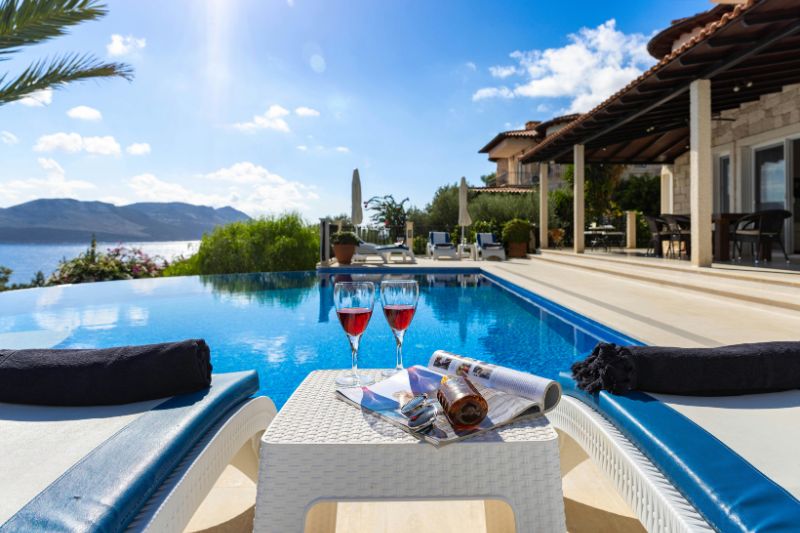
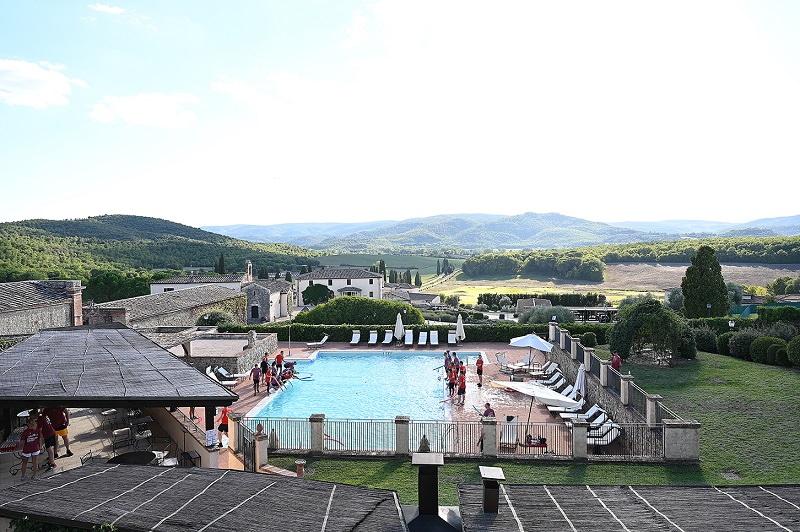
People don’t usually complain about travelling too much or going on trips that are too unique, too luxury, too exactly tailored to their taste. That much is obvious, but it doesn’t necessarily tally with the kind of trip one books for oneself. Sure, they might pick a new destination, select their favourite activities, but most people rarely go overboard with the luxury, unless they are trying to impress someone else. Which is why the starting point of a decent incentive travel programme is that sweet spot between reliable and crazy: something your employees would really love, but would probably never dare to book for themselves.
It is easy to forget that, when an employer invests in incentive travel experiences, it should be as a way of saying thank you for the year you've just put in, for your effort and your outstanding achievements, thank you for being a team player and for providing amazing value to the company. That is the whole point of incentive travel, after all. It isn't about shipping people off on a generic holiday: they are perfectly capable to do that for themselves and they might even resent anyone else having a say in it. It's about turning a journey into tangible proof that the company is aware and, most importantly, appreciative of their effort and wants to reward it properly.
"Ordinary" incentive travel is no incentive at all
Why did we just say it is easy to lose sight of the true meaning of incentive travel? Because we know corporate clients and we know you need to optimise your time by putting as many recurring tasks as possible on autopilot, which includes the planning of travel incentives. The point is, incentive travel only works when it feels genuinely unattainable to the person receiving it, and that can hardly happen without a human touch. You will need to reserve the kind of experience not even your top performers wouldn’t dream of organising by themselves for themselves. And no, that doesn’t look like a weekend at a decent hotel (or even a good one) with a group dinner thrown in. If it feels cookie-cut, your top players will not feel special and they will keep thinking that, for what they are getting out of the experience, they’d still much rather you had handed them the money you spent on it.
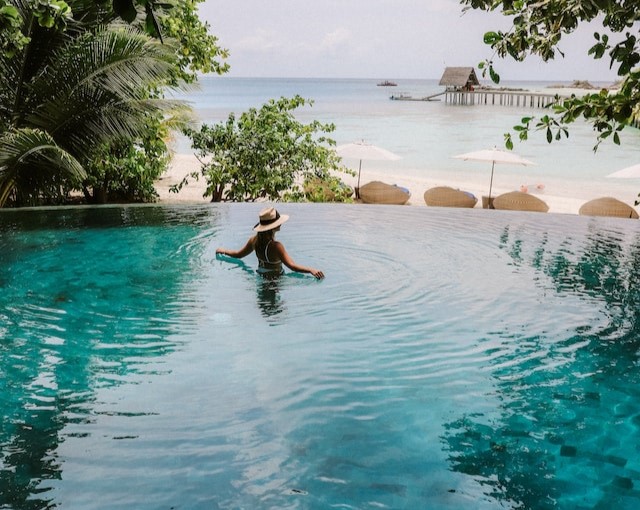
You guessed: we are talking about personalisation, as we always do. Does your top salesperson of the year have a penchant for adrenaline-packed experience and adventure sport? Would they rather spend an afternoon looking at world-class art in a museum? Are they nature enthusiasts, who enjoy nothing better than a breath-taking mountain trail or do they have the most fun skipping from wine tasting to shopping spree, from gourmet dinner to spa Sunday in a big city? You should know that, before you book their incentive travel experience, otherwise you will send someone who hates the sand on a paradise beach resort because it looked stunning in photographs.
We're biased, obviously. As you might imagine, after fifteen years spent building incentive travel experiences across Italy and beyond, we have our views on this. We delight in planning someone's dream trip to Lake Como or a private wine tasting in Franciacorta, for instance. But our bias, in this case, happens to be supported by data. The Incentive Research Foundation published its 2025 European Attendee Preferences for Incentive Travel study late last year, after surveying 600 employees across the continent and their findings back up what we have said so far and what many established industry professionals agree on.
The research backs it up: behold, the science of incentive travel!
According to their research, 99.8% of all respondents found value in incentive travel overall, and over three quarters described it as holding "a great deal of value." Luxury accommodation was important to 78% of all participants, while the ability to bring a guest mattered to 83% (it makes sense: any journey is better enjoyed with your loved ones). Perhaps surprisingly, free time to relax occupy at one’s leisure, rather than having a tight schedule of predetermined activities, ranked as the single highest-appeal factor of the entire trip. In short, this is the secret of successful incentive travel: give people room to breathe, let them be masters of their time, give them outstanding quality, and let them share the whole thing with someone of their choice.
Incentive travel to Italy: something for everyone
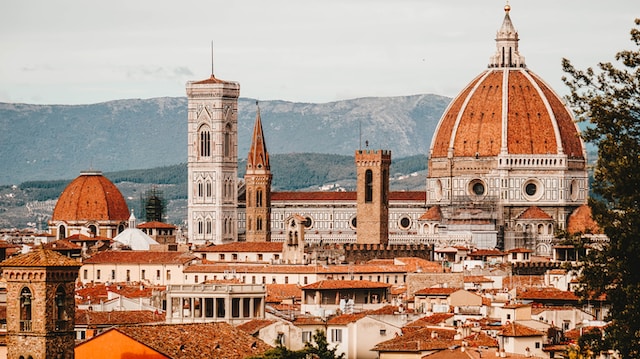
Again, we might be slightly biased, but there’s no denying Italy sits in a remarkably strong position in this respect, since it can offer nearly every destination type the IRF study flagged as desirable, often within a single region. Are you planning an incentive travel in the mountains for your winter sports-loving head of marketing? Welcome to the Dolomites: enjoy five-star chalets, more than one thrilling via ferrata for the more adventurous crowds, and sunset aperitivo with showstopping views. Your head of accounting is the artistic type? Travel incentives in Italian art cities such as Florence, Venice, or a lesser-known gem like Mantua, will deliver the cultural immersion that 34% of European respondents ranked among their top motivators, according to the same research.
And for groups who'd rather trade conference rooms for open skies, incentive travel in nature across Tuscany or Piedmont checks the adventure and relaxation boxes simultaneously: vineyard walks in the morning, a private, michelin-starred chef preparing your dinner under the stars by evening. Luxury incentive travel doesn't have to mean predictable five-star chains stacked along a coastline (and yes, five star experiences can absolutely be predictable). It can mean a private villa, a private museum opening that nobody else has access to, or a spectacular rooftop dinner, arranged specifically because someone on the team mentioned, months ago, that they loved a particular recipe.
Sustainability matters
But wait, isn’t travelling one of the most carbon-heavy activities a human can undertake? Yes, and this matters. Nearly half of the IRF respondents (49%) said sustainability measures shape how they perceive an incentive travel programme, and 62% flagged environmental practices as genuinely important to them. Sustainable incentive travel, low-emission transport options, locally sourced catering, smaller carbon footprints on excursions, is something most participants actively expect nowadays - and it should be a top priority regardless. Companies planning these programmes now need to think about the planet alongside the itinerary, because employees will notice both and also because it would be the only decent thing to do, even if the didn’t.
Trip length matters too: European destinations tend to work best over four to six days, based on what 49% of respondents preferred, while longer-haul journeys warrant a stretch closer to a week or ten days.
The main takeaways
Is there a recipe for the perfect incentive travel experience? More or less: plan carefully, choose a destination that actually reflects who your people are and what they like, don't skimp on the small touches that make a trip feel personal, and keep it sustainable. If we had to pick one tool for motivating a team and rewarding real commitment, a ticket to somewhere unforgettable still seems like an excellent place to start.